Our most-read guides to help you understand symptoms, diagnosis, and next steps.
Varicose Veins vs. Venous Insufficiency: What’s the Difference?
Varicose veins are visible enlarged veins. Venous insufficiency is the underlying valve problem that can cause heaviness, swelling, and skin changes. Here’s how they relate.
PAD Warning Signs in Your Legs (And When It’s an Emergency)
Peripheral arterial disease (PAD) reduces blood flow to the legs. These are the most common warning signs—and the symptoms that require urgent evaluation.
DVT vs. Muscle Strain: How to Tell the Difference
Calf pain can be a simple strain—or a deep vein thrombosis (DVT). Learn the key differences, red flags, and when to seek urgent care.
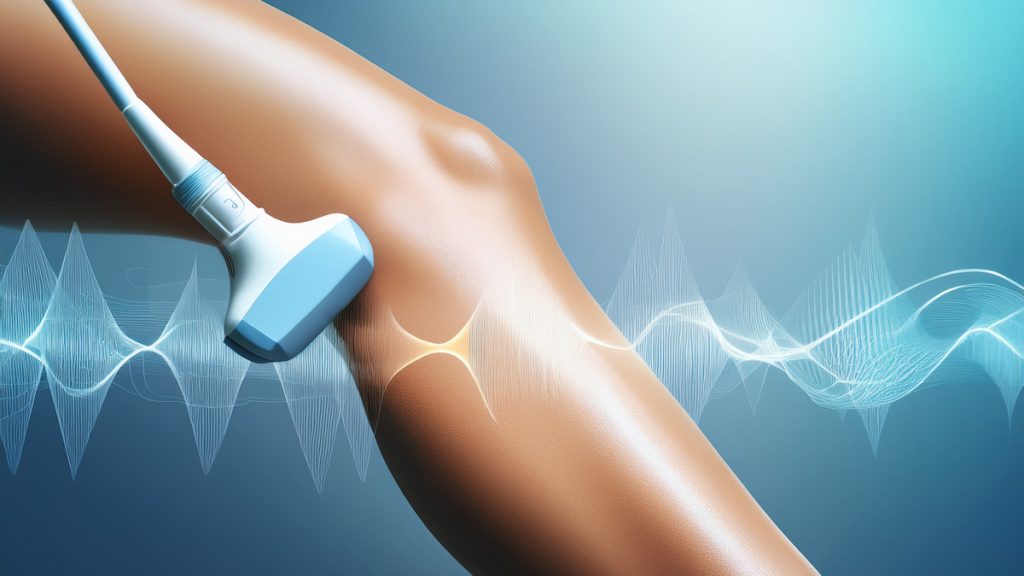
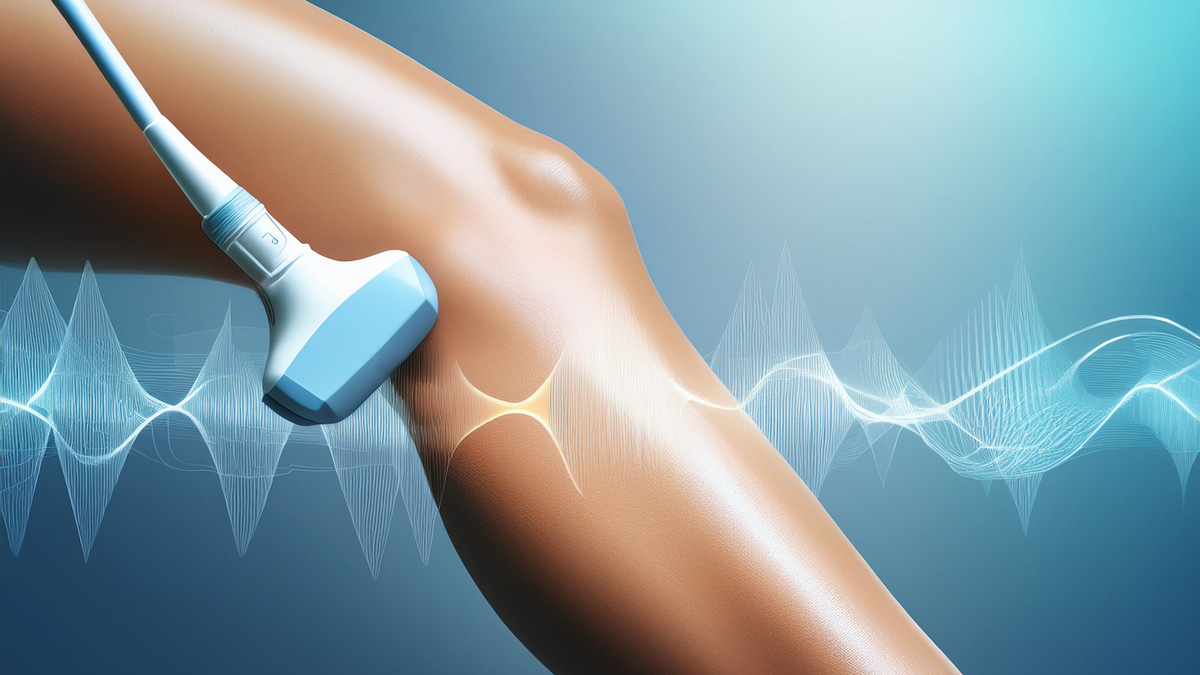
What Is a Venous Ultrasound? What It Detects and What to Expect
A venous ultrasound is a painless, noninvasive test that checks blood flow in the veins and helps detect clots, reflux, and circulation problems. Here’s what ...
What Patients Ask Us Most
Quick answers to common questions before you schedule.
When should I see a specialist instead of waiting it out?
Answer: If symptoms are persistent, worsening, or affecting walking, sleep, or daily activity—or if you have risk factors like diabetes, smoking history, prior clots, or known vascular disease—it’s smart to get evaluated.
What symptoms mean I should seek urgent care right away?
Answer: Seek urgent care for sudden shortness of breath, chest pain, coughing blood, a cold/numb limb, severe one-leg swelling with pain, or sudden weakness/face droop/speech changes. If in doubt, call 911.
Do I need a referral to schedule an appointment?
Answer: Many patients can self-refer, but some insurance plans require a referral. If you’re unsure, we can help you confirm what your plan needs before your visit.
What tests are commonly used to diagnose vein and artery conditions?
Answer: Common tests include ultrasound (venous or arterial), ABI testing for circulation, and imaging like CT angiography when needed. Your provider recommends testing based on symptoms and exam.
What is minimally invasive treatment, and how is it different from surgery?
Answer: Minimally invasive procedures are typically done through tiny access points using imaging guidance. They often mean less pain, smaller scars, and faster recovery compared to open surgery.
Will insurance cover diagnostic imaging and treatment?
Answer: Coverage varies by plan and medical necessity. In most cases, medically indicated imaging and treatment are covered; our team can help verify benefits and options.
How do I prepare for my first visit?
Answer: Bring your medication list, relevant records/imaging (if you have them), and be ready to describe your symptoms—when they started, what makes them better/worse, and how they affect daily life.
All Articles
Browse the latest patient guides and explanations.
Veins
Deep Vein Thrombosis (DVT) Red Flags: When Leg Symptoms Need Urgent Care
Learn the warning signs of deep vein thrombosis (DVT), including leg swelling, pain, warmth, and redness, and when urgent evaluation is important.
Veins
Compression Stockings for Varicose Veins: Do They Help and How to Choose?
Varicose veins are visible enlarged veins. Venous insufficiency is the underlying valve problem that can cause heaviness, swelling, and skin changes. Here’s how they relate.
Veins
Varicose Veins vs. Venous Insufficiency: What’s the Difference?
Varicose veins are visible enlarged veins. Venous insufficiency is the underlying valve problem that can cause heaviness, swelling, and skin changes. Here’s how they relate.
Arteries
PAD Warning Signs in Your Legs (And When It’s an Emergency)
Peripheral arterial disease (PAD) reduces blood flow to the legs. These are the most common warning signs—and the symptoms that require urgent evaluation.
Blood Clots
DVT vs. Muscle Strain: How to Tell the Difference
Calf pain can be a simple strain—or a deep vein thrombosis (DVT). Learn the key differences, red flags, and when to seek urgent care.
Imaging
What Is a Venous Ultrasound? What It Detects and What to Expect
A venous ultrasound is a painless, noninvasive test that checks blood flow in the veins and helps detect clots, reflux, and circulation problems. Here’s what ...