

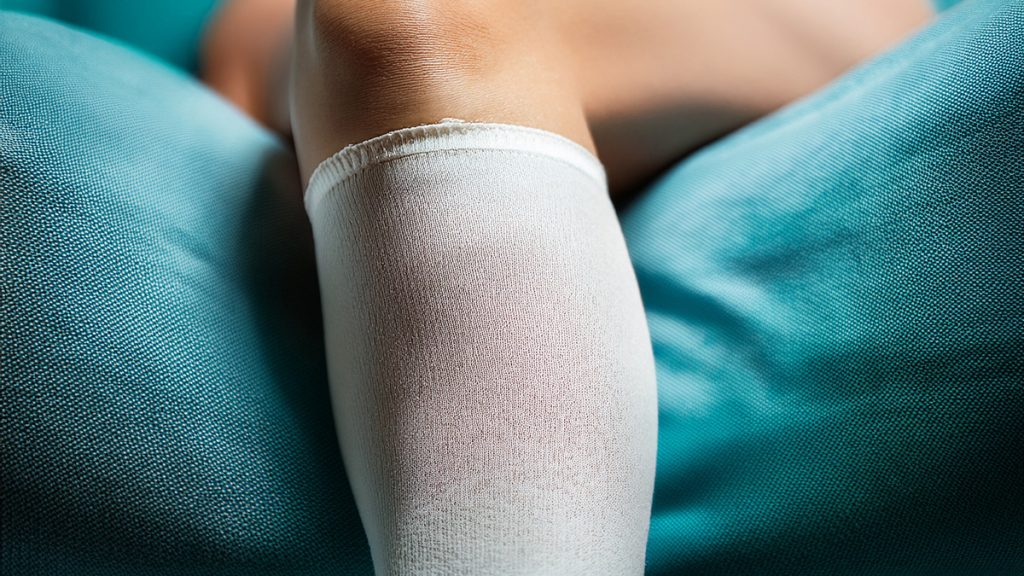
Compression Stockings for Varicose Veins: Do They Help and How to Choose?
Compression stockings are one of the most common first steps for varicose veins and venous insufficiency. They don’t “remove” veins, but they can reduce heaviness, aching, and swelling—especially after long periods of standing or sitting. Here’s how they work, how to pick the right pair, and when symptoms should be evaluated.
Reviewed by LVVIS Clinical Team
Quick Answers
-
Do they help? Yes—especially for heaviness and swelling that worsens through the day
-
Best time to wear: Morning through your active hours
-
What to choose first: Knee-high, comfortable fit, start with moderate support (unless told otherwise)
-
When to get evaluated: One-leg swelling, skin changes, sores, or symptoms that are getting worse
What compression stockings do (and don’t do)
They can help:
-
Reduce swelling around the ankle/calf
-
Ease aching/heaviness and “tired legs” feeling
-
Support vein return during long standing/sitting
They don’t:
-
Permanently remove varicose veins
-
Replace an evaluation if symptoms are worsening
Who benefits most
-
End-of-day swelling
-
Leg heaviness/aching after standing
-
Visible varicose veins with discomfort
-
People who sit/travel for long periods
-
Pregnancy-related vein symptoms (general)
How to choose the right pair
-
Length: Knee-high is usually the easiest place to start
-
Fit: Measure in the morning (ankle + widest calf)
-
Comfort: Smooth fabric, no rolling at the top, no numbness/tingling
-
Consistency: Two pairs so you can rotate
Tips for wearing them (so you actually stick with it)
-
Put them on first thing in the morning
-
Use a donning aid or gloves if needed
-
If they roll, pinch, or cause numbness—fit is off
-
Pair with walking, calf raises, and elevation when possible
When symptoms may be urgent
Seek urgent care for:
-
One-leg swelling with pain, warmth, or redness
-
Chest pain, sudden shortness of breath, coughing blood
-
New skin breakdown/ulcer or drainage
-
Cold/pale foot with severe pain
If symptoms feel severe or sudden, call 911 or go to the nearest emergency room.
If you’re dealing with persistent leg swelling, heaviness, pain, or new symptoms, a vascular evaluation can help clarify what’s going on—and whether a venous ultrasound is the right next step.
Not sure what your symptoms mean?
Not sure what your symptoms mean? → Request Appointment
Venous Ultrasound FAQs
Compression stockings don’t remove varicose veins, but they can reduce symptoms like heaviness, aching, and swelling by helping blood move back toward the heart. If symptoms persist or you’re seeing skin changes, an evaluation can determine whether venous insufficiency is present and what treatment options may help.
Most people wear them during their active hours—especially when standing or sitting for long periods—and take them off at night. Putting them on in the morning before swelling builds often works best. If you have specific medical conditions or significant swelling, follow your clinician’s guidance.
What if compression stockings hurt or cause numbness?
They shouldn’t cause sharp pain, numbness, or tingling. If they do, the size, length, or level of compression may be wrong, or the stocking may be rolling/pinching at the top. Stop wearing that pair and switch to a better fit. If you have new numbness, color change, or significant pain, get evaluated.
An ultrasound is often recommended if symptoms are persistent, worsening, or affecting your daily life—especially with swelling, skin discoloration, tenderness along a vein, or a history of clots. It helps confirm whether valves are leaking (venous reflux) and guides the right treatment plan.
Most people do best starting with a comfortable, moderate level of compression and focusing on correct fit. If you have significant swelling, skin changes, ulcers, or arterial circulation concerns (like PAD), you should get guidance before moving to stronger compression. The right choice depends on your symptoms and exam findings.